
SEO for Beginners: How Search Engine Optimisation Works
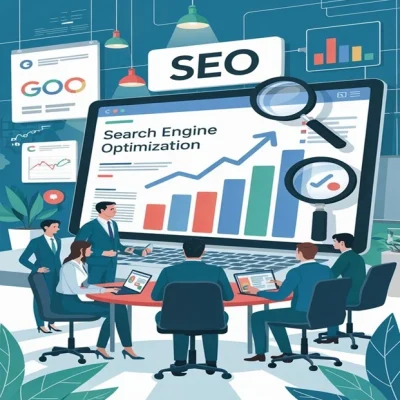
Have you ever done a Google search and only clicked one of the top results? Now, let me ask you what the website was doing that it was at the top of the list, and the rest were not? This is the wonder of Search Engine Optimisation (SEO), which is the term most often used to refer to it. To the ones who are new to this, SEO seems to be a very technical, difficult-to-understand, and even tiring procedure.
Nevertheless, behind the words and codes, SEO is about making your content easily understandable to the search engines so that they can provide it as an answer to user queries. This post will explain the mechanics of SEO, its importance, and how beginners can apply it accurately to win online visibility.
What SEO Really Means
SEO refers to Search Engine Optimisation. By applying this method, a website is improved to show up in a higher position in the search engine results when users look for its related topics.
The search engines want their users to have the best and most precise results, as well as the most reliable ones. SEO is the technique that makes your site fit with this intention. In case of a proper implementation, SEO not only provides visibility but also engages the right audience and ultimately, over time, attracts organic (non-paid) traffic.
How Search Engines Work
Three main processes drive the operation of search engines. The first one is crawling, where automated bots go through the websites, and at the same time, new and updated content is discovered. The second one is indexing, where the content is organised and stored in a very large database so that it can be retrieved later. The third one is ranking, which is done when a user performs a search, and the engine shows the pages that have been indexed according to their relevance, quality, and usefulness. SEO plays a role in making the web easier for bots to crawl, easier for indexing, and more authoritative for ranking higher in search results.
Keywords: The Foundation of SEO
Keywords are basically the words or phrases that users input in search engines when they are hunting for some information. SEO basically revolves around the understanding of what the target audience is searching for at that point in time. For novices, this would mean pinpointing relevant search terms, incorporating them in a natural way in content, and giving priority to search intent over keyword repetition. When keywords are utilised in the right way, they contribute to the clarity of content for search engines and also guarantee that the content is displayed to the users who are looking for the correct information.
On-Page SEO: Optimising What’s on Your Website
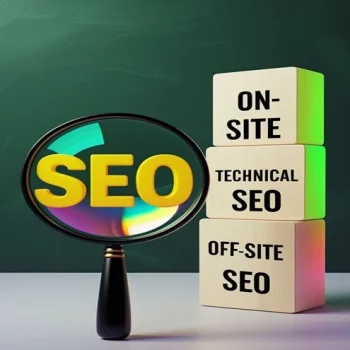
On-page SEO is the process of enhancing various aspects of your website to gain better positions in search results and, at the same time, to delight users. Among the main factors, you will find page titles and meta descriptions that are well written, headings and content structure that are clear, internal linking that works well, and image optimisation that is carried out properly, together with having descriptive alt text. When the content is structured properly, and it’s easy to read, it not only helps users to flow through the page easily but also enables search engines to comprehend, index and rank the content better.
Content Quality Matters More Than Ever
The current-day SEO is not about applying the trickiest or the quickest methods but rather about providing real value to the users. The search engines’ first choice is the content that is of great help, closely related, and absolutely reliable. The one that is of good quality at the same time can be easily read and is structured well, gives solutions to real questions, and solves issues in an everyday manner. For newcomers, concentrating on the above points is more powerful than practising any of the outdated SEO techniques or trying to trick the algorithms.
Technical SEO Made Simple
Technical SEO can be described as a complicated process, but at the same time, it can be made very simple for beginners to just concentrate on a handful of essentials. Among the most important technical aspects are a very quick website loading time, a design that accommodates mobile users, browsing that is secure browsing via HTTPS, and a neat and orderly website structure. These factors facilitate the activities of search engines to find, crawl and evaluate your website, which in turn enhances its performance, user experience and the possibility of getting better positions in the search results.
Off-Page SEO and Trust Signals
Off-page SEO pertains to actions performed outside of your site which have an effect on the site’s rankings. The most significant influencer is backlinks originating from different sites that link to yours.
Backlinks are like votes of confidence in the eyes of search engines. Linking your content to that of respected sites means that you are an authority and trustworthy. The main strategies in this respect are building authentic relationships and producing content that is worthy of being shared.
SEO Is a Long-Term Process
SEO, on the other hand, is a process that does not provide quick results like paid ads. It takes time to create a strong position. Total commitment, waiting, and improving all the time are the main factors. It is often the case that small regular optimisations give better results than aggressive short-term tactics.
Conclusion
Beginners in SEO do not need to find the process very complicated. At the bottom of it all, the ability of the search engine to rank is all about the human being’s understanding of the situation, the production of quality content, plus the making of that content accessible and trustworthy to the search engines.
Newbies can establish a firm base for continuous online growth by comprehending how search engines work, wisely employing keywords, raising the standard of the content, and keeping the website technically sound.
If you are new to SEO, start with a single step, get one page optimised for one easy keyword and make your audience the centre of your attention. The success of SEO accumulates with every page, and the right time to start is NOW.
Interesting
Wow
Amazing work
Interesting
Excellent work
It looks good✨
Nice work
Keep going, Good content.